How to Actually Stay Hydrated During the August Heat
If you have stepped outside in North Georgia or Southeastern Tennessee this time of year, you already know the drill. The heat climbs, the humidity sits on your chest, and within a few minutes of yard work or a walk to the mailbox, you are sweating. What you might not know is exactly how much water your body needs to keep up, or why thirst alone is not always a dependable guide.
What the research actually recommends
The most widely cited guideline comes from the National Academies of Sciences, Engineering, and Medicine (formerly the Institute of Medicine), which set an adequate daily intake of total water at about 15.5 cups (3.7 liters) for men and 11.5 cups (2.7 liters) for women (Institute of Medicine, 2005). A more recent analysis of American adults found these same figures line up well with what the body actually needs to stay properly hydrated, based on 24-hour urine testing (Armstrong and Johnson, 2022, as reported in a 2022 hydration study published via PubMed).
Two details matter here. First, that number is total water, not just what comes out of a glass. Roughly 20 percent of the average person's daily water intake comes from food, especially water-rich fruits and vegetables (Harvard T.H. Chan School of Public Health, 2025). Second, these are general starting points, not fixed prescriptions. Your own needs shift with body size, activity level, and climate, and higher amounts are appropriate for anyone who is physically active or spending real time in the heat.
Why thirst is not the best alarm system
Research on everyday hydration status has found that thirst is an imperfect signal, particularly once people are already a little behind on fluids (Millard-Stafford et al., 2012). This matters even more for older adults, whose sense of thirst naturally becomes less sharp with age, meaning conscious effort matters more than waiting to feel thirsty.
What happens when hydration and heat exercise mix
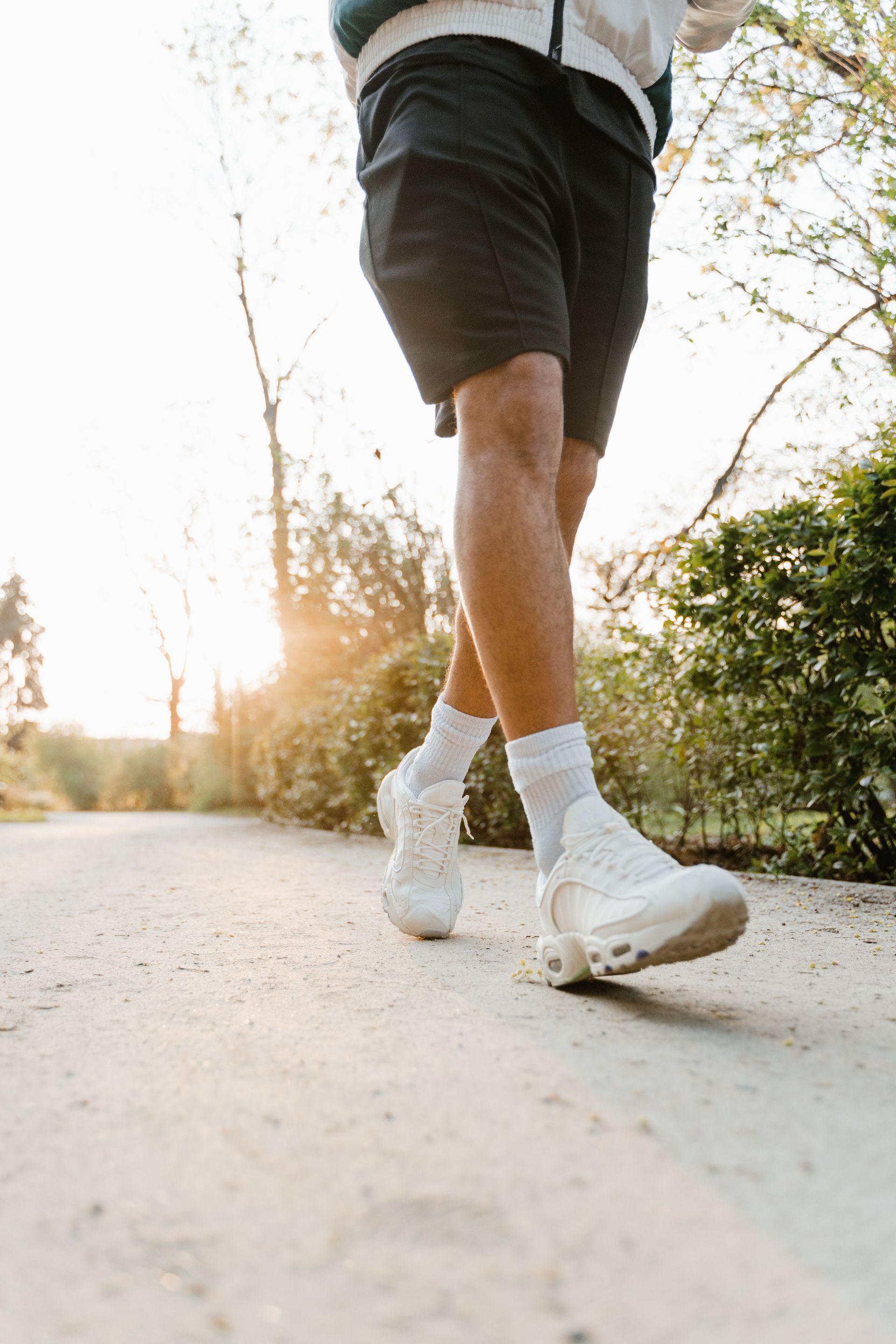
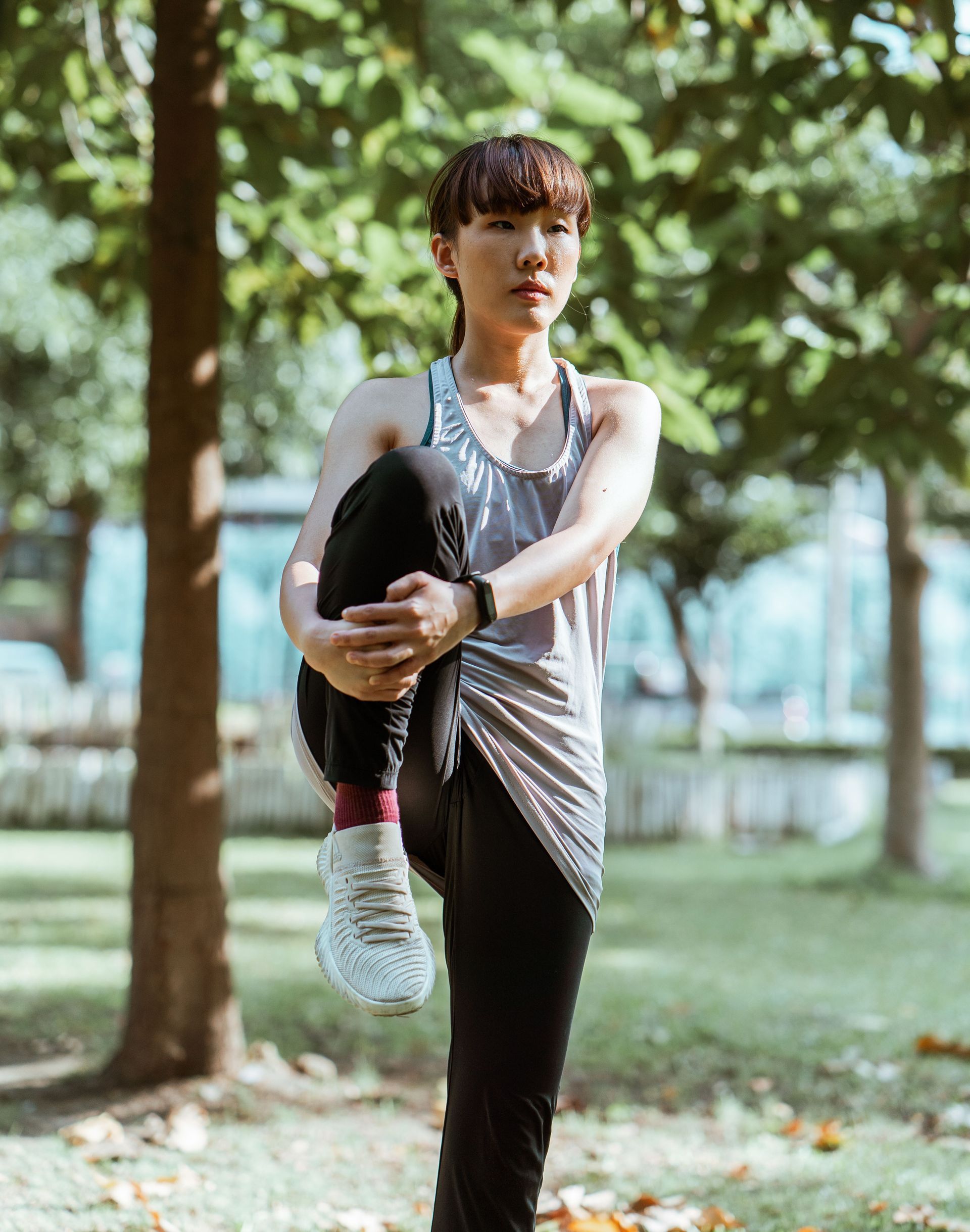
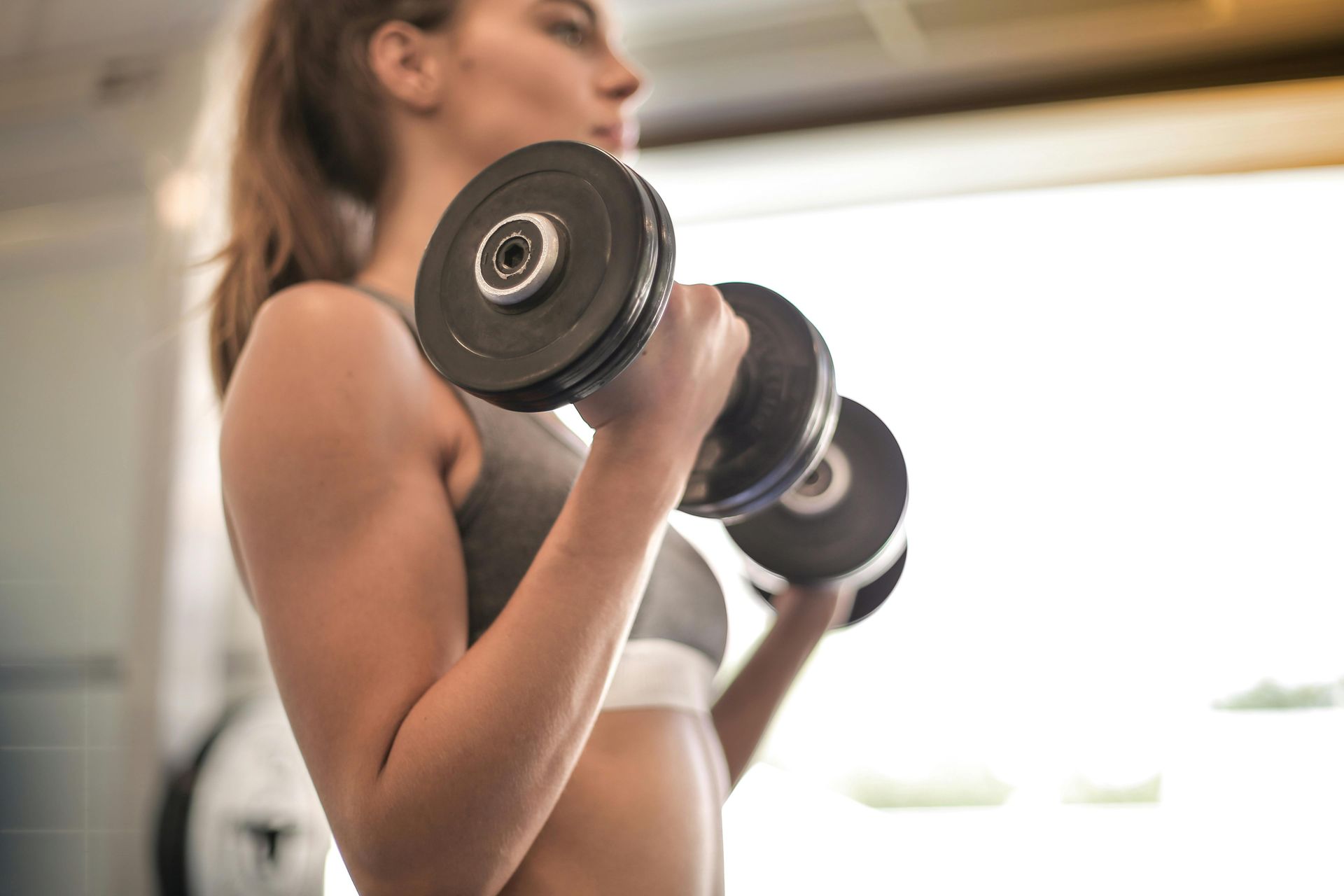
If you exercise outdoors in August heat for more than an hour, sweat losses can be substantial, and that sweat carries sodium and other electrolytes along with water. The American College of Sports Medicine's position on fluid replacement recommends including a modest amount of sodium in rehydration drinks during longer bouts of exercise, both to help the body hold onto fluid and to guard against a rare but serious condition called exercise-associated hyponatremia, which happens when someone drinks so much plain water that it dilutes sodium levels in the blood (American College of Sports Medicine, 2007). The takeaway is not to fear water. It is to remember that balance, not just volume, is what the body is after during long, sweaty stretches outside.
Practical ways to build hydration into an August day
- Start the day with a full glass of water before coffee. It is an easy anchor habit
- Keep water visible and within reach at your desk, in the car, and on the porch
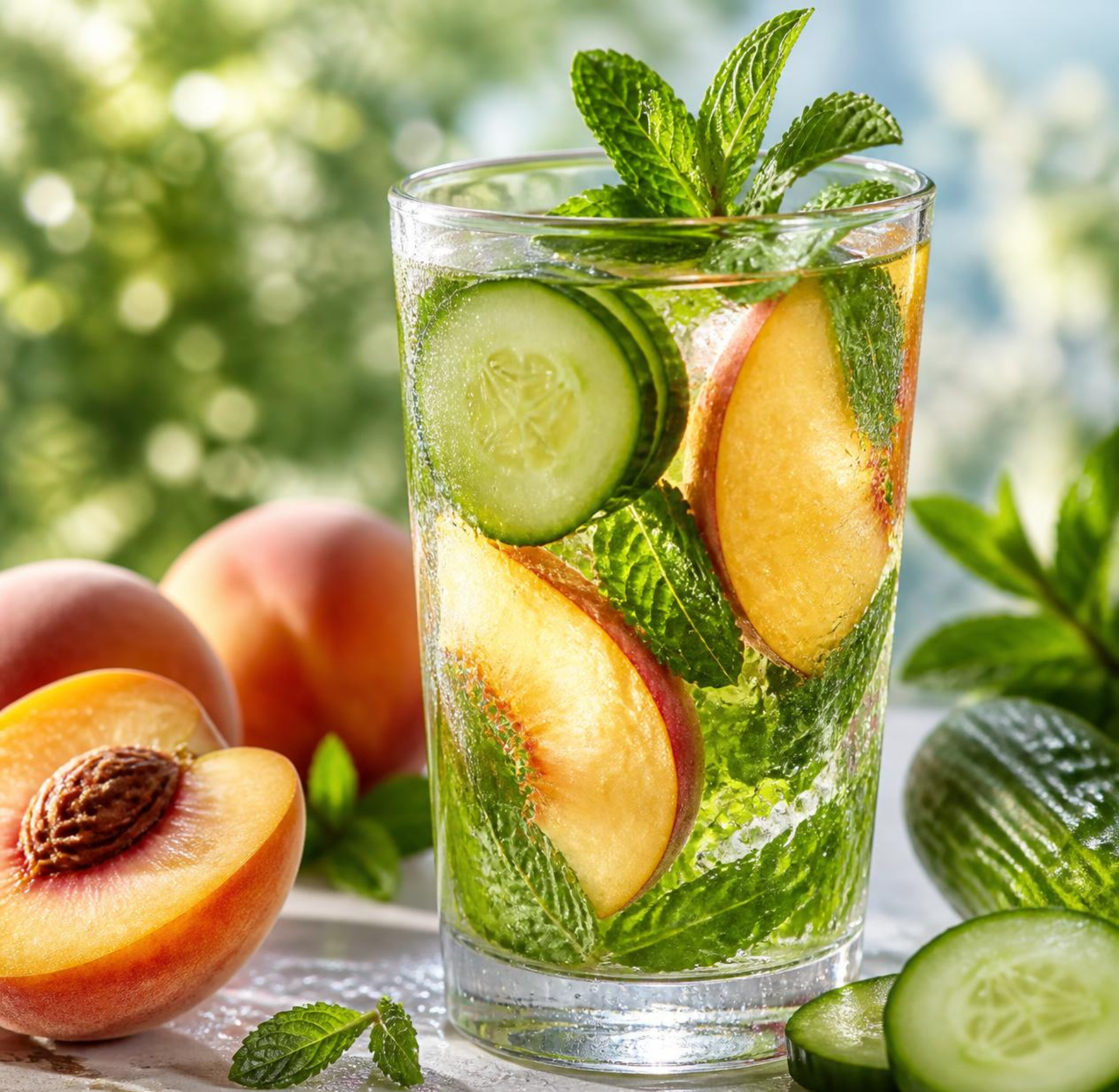
- Lean on water-rich foods. Cucumber is about 96 percent water, and lettuce, tomatoes, strawberries, celery, zucchini, and watermelon all come in above 90 percent (Mary Washington Healthcare, 2023)
- For workouts or yard work lasting more than an hour in the heat, add a pinch of salt or a low-sugar electrolyte mix to your water
- Watch urine color as a rough, practical gauge. Pale yellow generally signals good hydration, while dark yellow is a signal to drink more
- If you are pregnant, breastfeeding, managing a chronic condition, or on medications like diuretics, ask your provider what fluid target is right for you, since needs can be higher or, in some cases such as heart failure or kidney disease, lower (Cleveland Heart, 2026)
Hydration is not complicated, but it is easy to underestimate, especially in a Georgia summer. A steady, unhurried approach, water throughout the day, water-rich foods, and a little extra attention during heavy heat exposure, will carry most people through August comfortably.