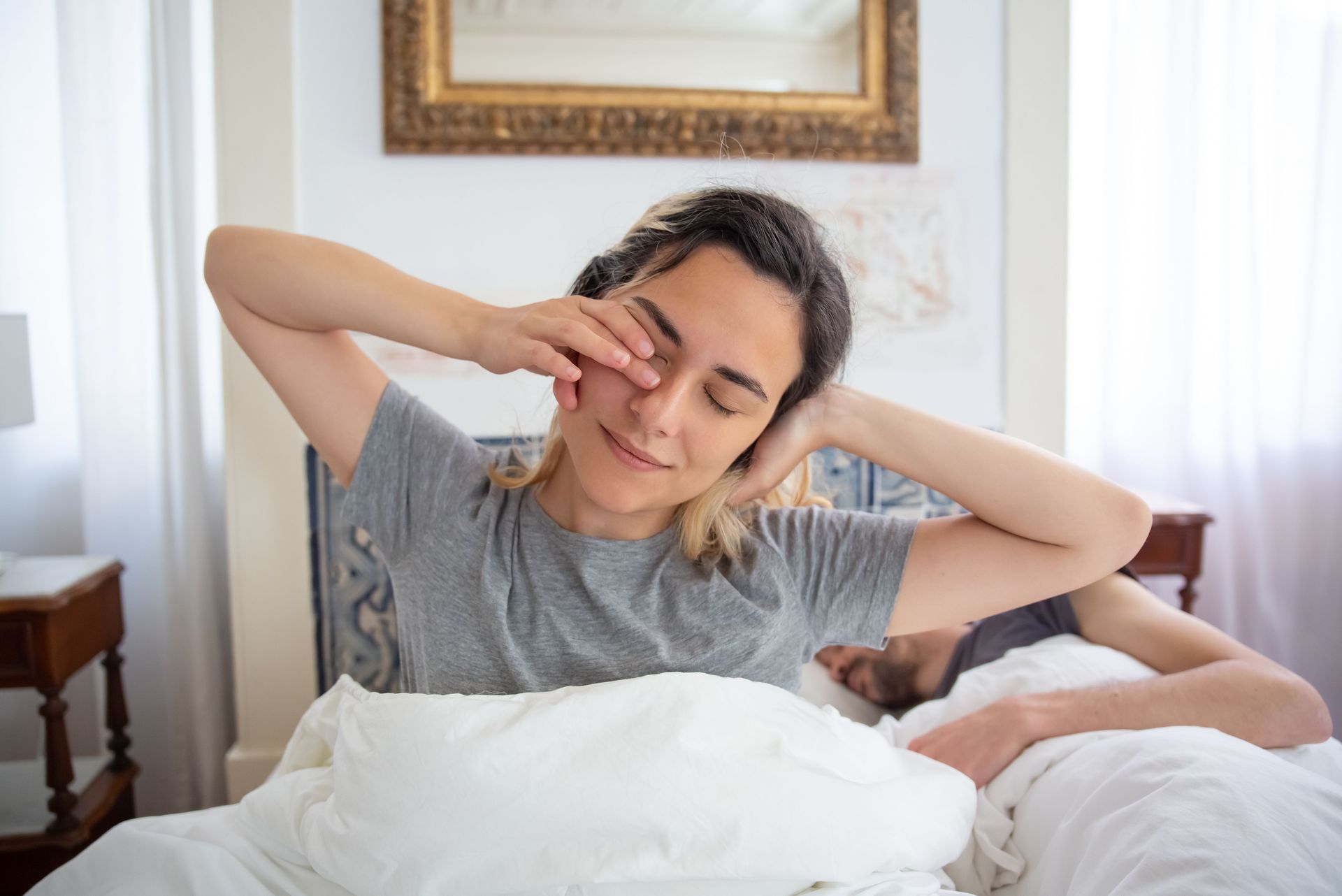
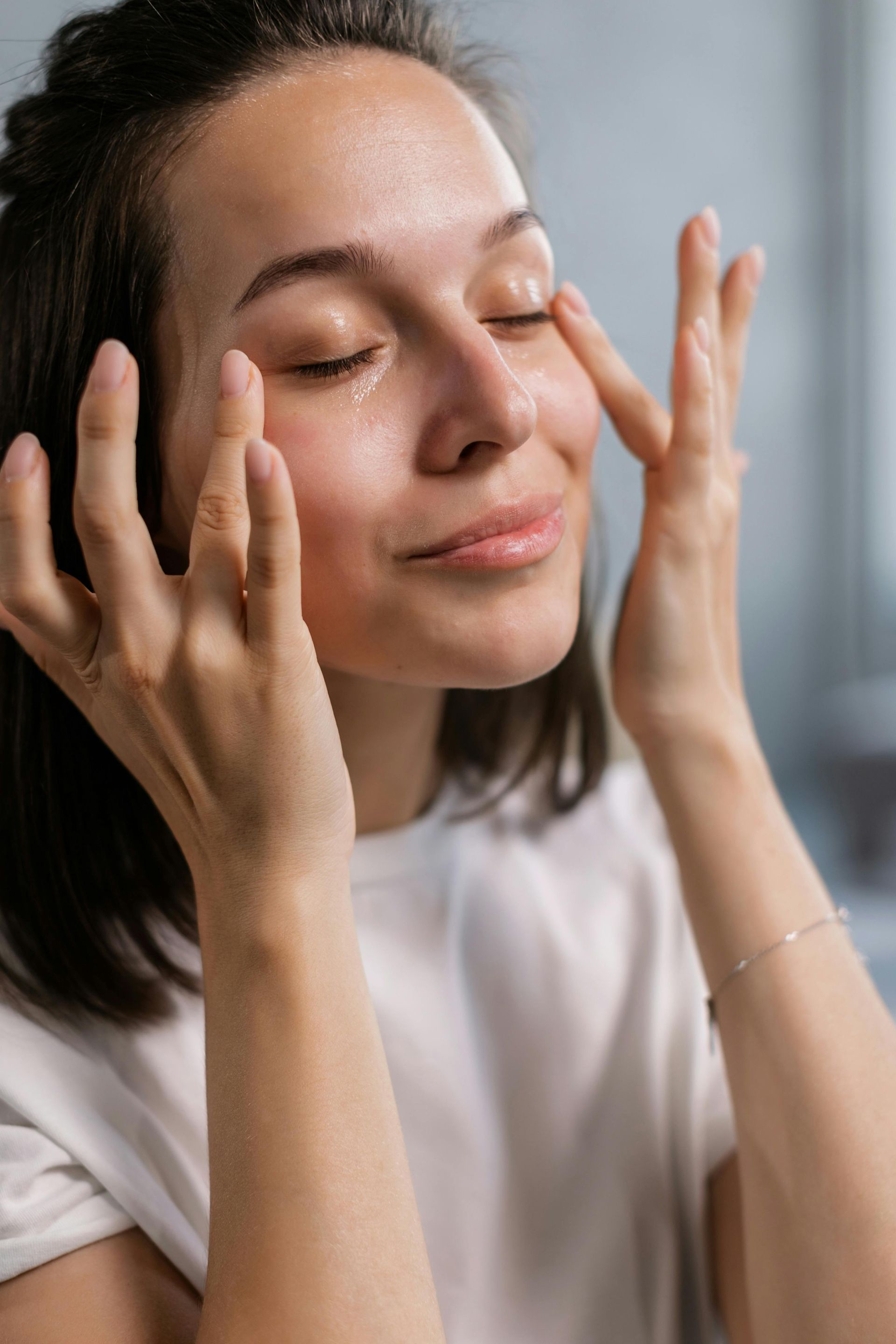
We hear the word "self-care" constantly. But what does it actually mean — and why does it matter for your health?
According to the National Council on Aging, self-care is the deliberate practice of activities that improve your physical, mental, and emotional well-being. The University of Buffalo School of Social Work describes it as regular practices that reduce stress and improve overall health — and research shows it builds confidence, resilience, and self-esteem too.
The good news? It doesn't have to be complicated or time-consuming.
Start small — really small
Self-care isn't a spa day or a vacation. It can be as simple as a 10-minute walk, savoring your morning coffee without scrolling your phone, journaling for five minutes, or listening to your favorite song. The NCOA points out that even five intentional minutes a day adds up in a meaningful way — especially when life feels overwhelming.
The most common barrier: guilt
Many people feel guilty taking time for themselves, especially caregivers. But as the NCOA puts it — remember the airplane oxygen mask. You can't show up fully for others if you're running on empty. Taking care of yourself isn't selfish. It's what makes everything else possible.
Consistency is the key
Research published in the European Journal of Social Psychology found that on average it takes about 66 days to form a new habit — not the 21 days most people assume. The key isn't perfection. It's showing up for yourself a little every day.
One practical tip from a 2025 BMJ Mental Health study: people who followed a structured morning routine reported feeling less stressed and anxious throughout the day. Starting your morning with even one intentional self-care habit — a short walk, a moment of gratitude, or a healthy breakfast — can set the tone for everything that follows.
At Bennett Integrative Health, self-care is part of your care plan
We believe self-care goes hand in hand with your medical care. That's why we take time to understand your full picture — your stress levels, your sleep, your energy, your goals — not just your symptoms. Whether that's through a comprehensive lab panel, hormone support, health coaching, or simply having a provider who actually listens — we're here for all of it.
Because as author L.R. Knost beautifully put it: "Taking care of myself doesn't mean 'me first.' It means 'me too.'"
📍 Ready to make your health a priority?
Book a consultation at
bhealthandwellness.com or call us at
(706) 965-6799
28 Hidden Trace Drive, Ringgold, GA | Virtual visits available
References:
Medical Disclaimer: This article is for informational purposes only and does not constitute medical advice. Always consult a qualified healthcare provider regarding any health concern.