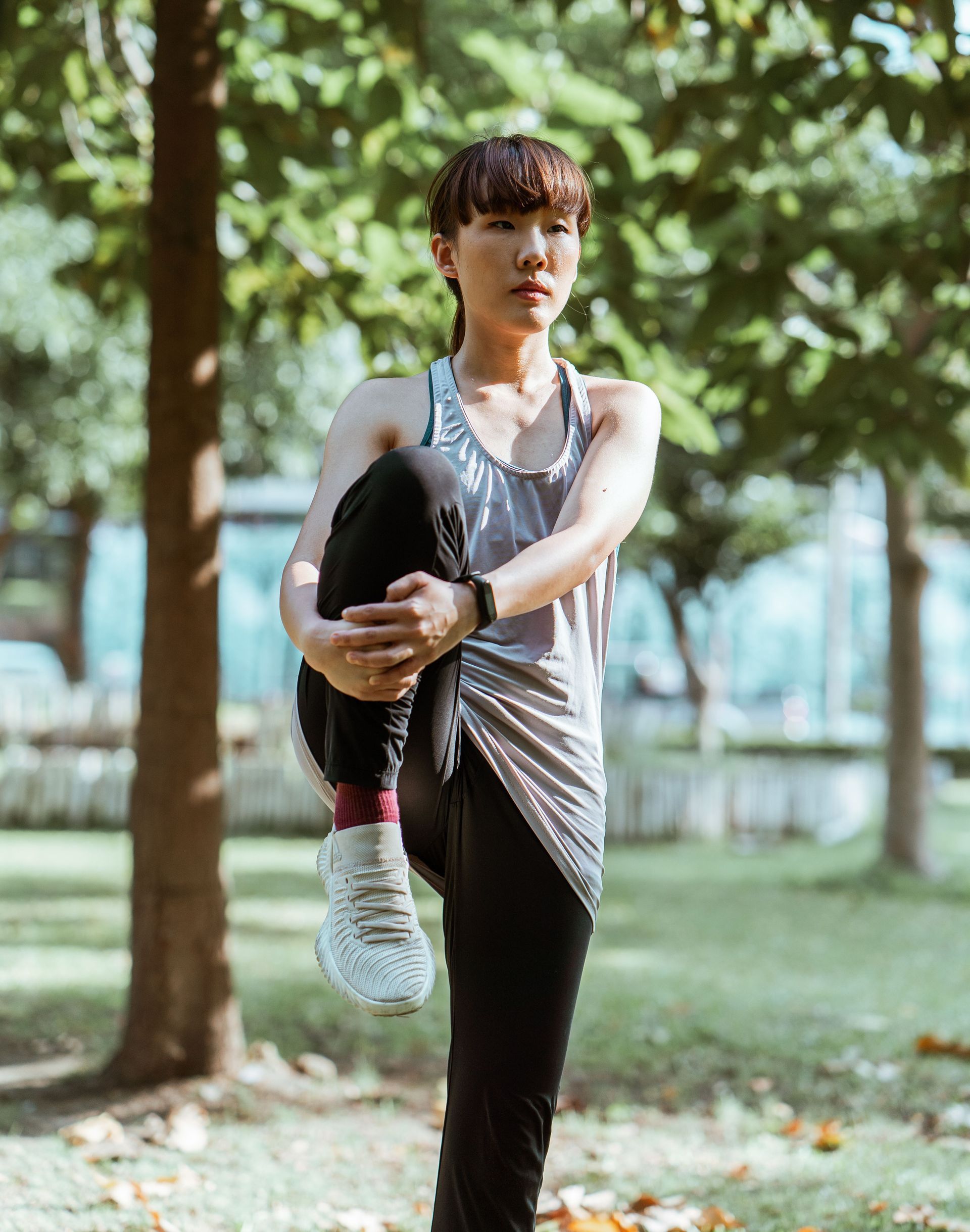
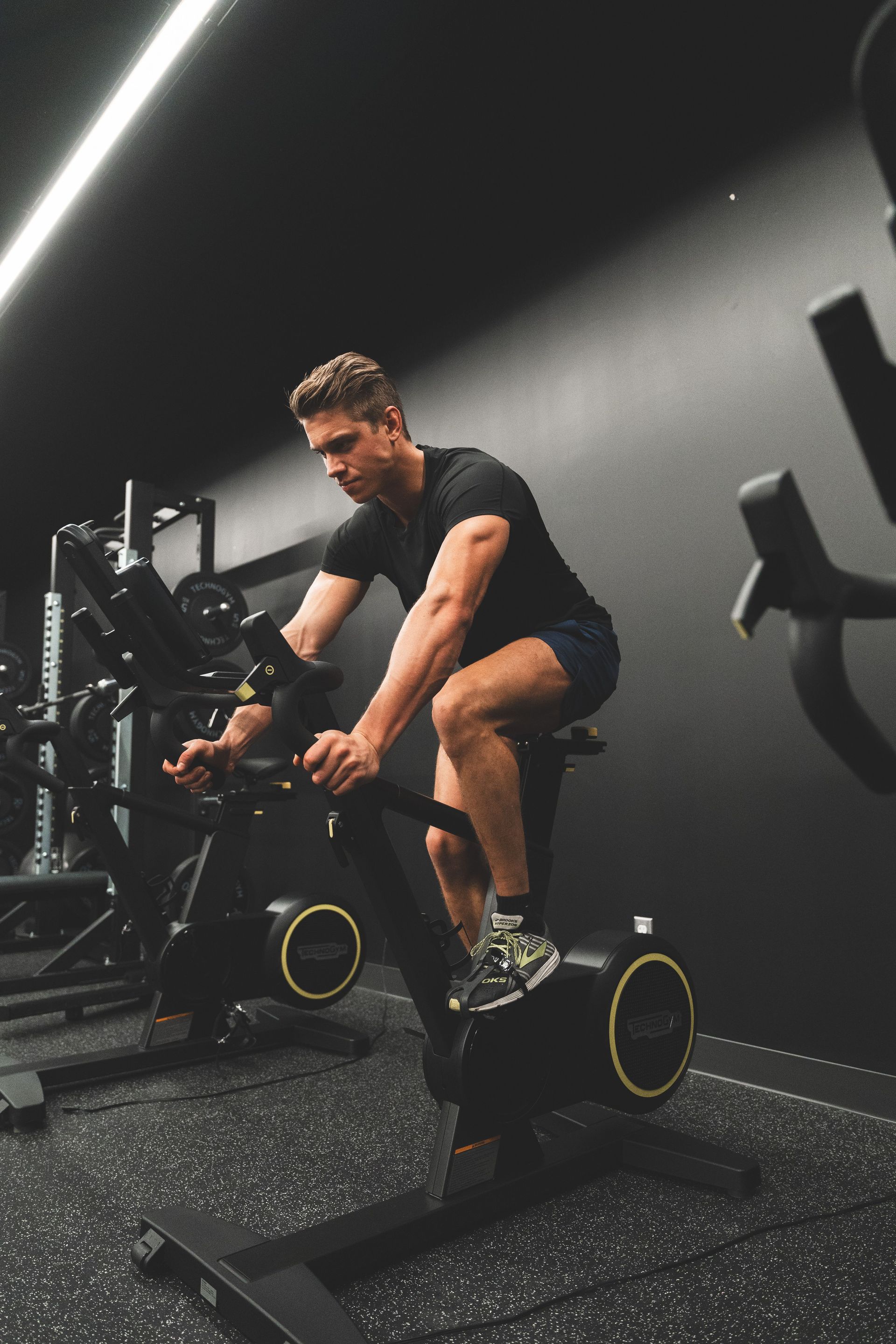
For a lot of people, the barrier to exercise is not motivation. It is math. A full workout takes planning, a change of clothes, and a chunk of time most days do not have to spare. That is exactly the gap that a growing body of exercise science has started to address, with a strategy researchers call exercise snacking.
What the research found
In 2025, a team led by Miguel Angel Rodriguez at the University of Oviedo in Spain published a systematic review and meta-analysis in the British Journal of Sports Medicine, combining data from seven randomized controlled trials involving more than 400 sedentary or inactive adults, most of them women, ranging in age from 18 to 80 (Rodriguez et al., 2025). The researchers defined an exercise snack as a bout of moderate to vigorous physical activity lasting five minutes or less, performed at least twice a day, three to seven days a week, for four to twelve weeks. Stair climbing, either continuous or in repeated intervals, was the most common form of exercise snack used in the studies.
The results were encouraging. In adults younger than 65, exercise snacking led to meaningful improvements in cardiorespiratory fitness. In adults 65 and older, the biggest gains showed up in muscular endurance, an important marker for maintaining independence and preventing falls. Across both groups, adherence was remarkably high: about 91 percent of younger adults and 83 percent of older adults consistently stuck with their exercise snack routine throughout the study period (Rodriguez et al., 2025, as reported by NBC News, 2025).
A related and slightly more intense version of this idea comes from earlier work by Jenna Gibbs and colleagues, who define exercise snacks even more tightly, as isolated bouts of vigorous exercise lasting one minute or less, spread through the day, and found this approach to be feasible and well tolerated for improving cardiorespiratory fitness (Islam et al., 2022).
Why sitting less matters as much as moving more
The flip side of micro-fitness is what it interrupts: long, uninterrupted sitting. A large 2026 study published in PLOS Medicine, following more than 91,000 UK Biobank participants with activity trackers, found that each additional hour of prolonged, unbroken sitting was associated with roughly a 9 to 10 percent higher risk of cancer-related death (Medical News Today, 2026, reporting on the PLOS Medicine cohort study). The same research found that replacing just five minutes of prolonged sitting with vigorous activity was associated with a 22 percent lower risk. Earlier experimental work has shown that breaking up sitting time, even with light movement, improves markers like post-meal blood sugar and insulin response compared with sitting still for hours at a stretch (Benatti and Ried-Larsen, 2015).
Put together, the research points to a fairly simple and freeing idea: movement does not need to be long to count. It needs to be frequent and it needs to interrupt stillness.
What this looks like in real life
- Climb a flight of stairs with purpose, twice a day, on most days of the week
- Do a short, vigorous set of bodyweight squats, lunges, or wall push-ups between tasks
- Stand and walk for two to three minutes every hour you are seated, even just around the room
- Park farther from the entrance and treat the walk as the workout, not a chore before one
- For older adults, chair-assisted sit-to-stands or a few minutes of tai chi movements can build the muscular endurance that supports balance and independence
None of this replaces the value of regular structured exercise for those who have the time and ability for it. But for the large share of adults who do not currently meet activity guidelines, largely because of the two most common excuses (no time, no motivation), exercise snacking offers a genuinely evidence-backed way to start, and to stick with it.